Healing Modality
Reiki
Energy channeling to calm the nervous system and promote healing.
Why It Works
The human body generates measurable electromagnetic fields, and research into biofield therapies suggests that disruptions in these fields correspond to physical and emotional distress. Reiki practitioners are trained to sense and influence these subtle energy patterns through intentional touch and focused presence. Whether understood through an energetic or neurological lens, the deeply relaxed state Reiki induces activates the body's own healing mechanisms and reduces stress hormones. This is why people leave a Reiki session feeling lighter, clearer, and more at home in their own body than they have in years.
What is REIKI?
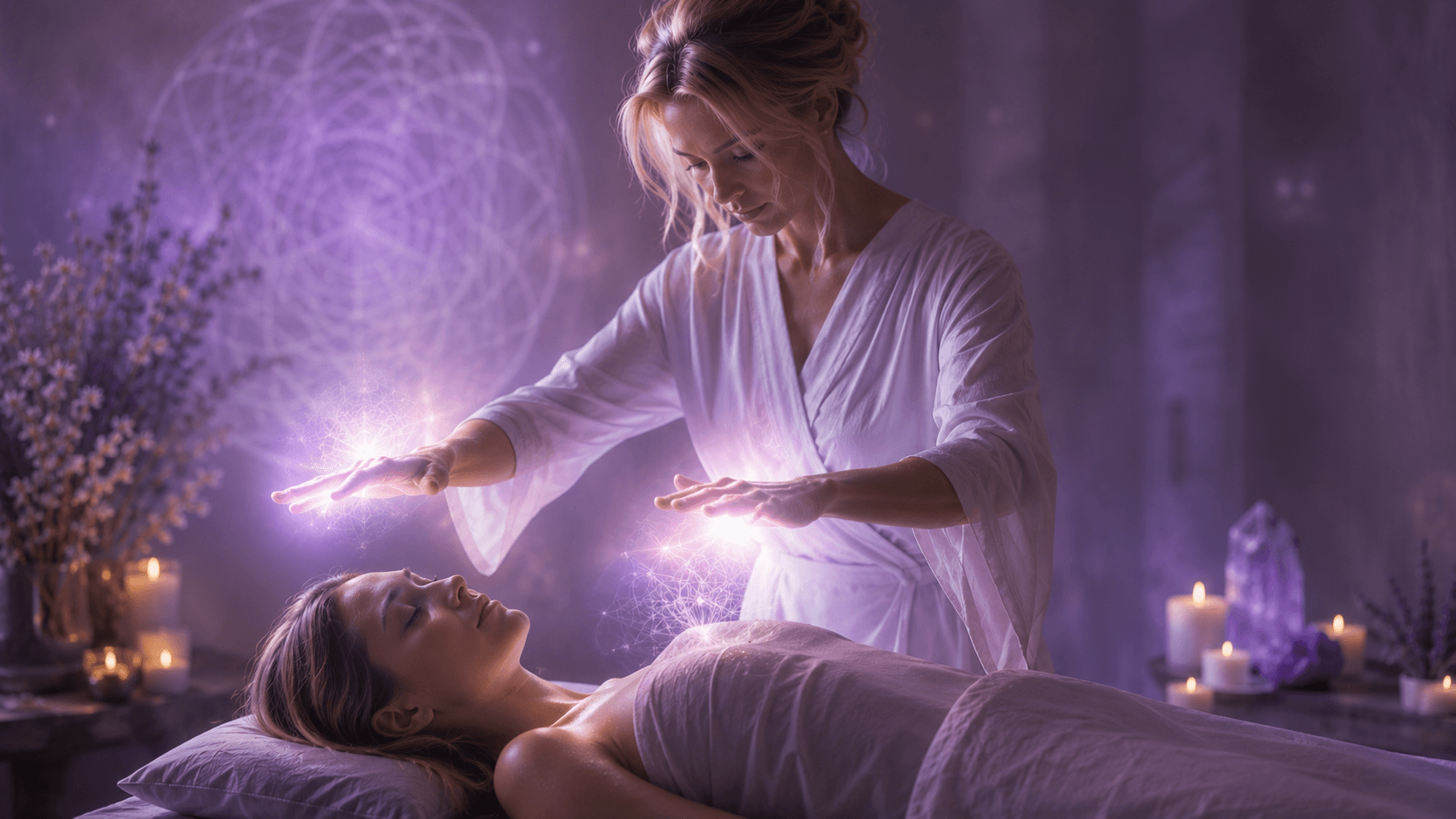
Reiki is a Japanese energy healing technique developed by Mikao Usui in the 1920s. The word translates to universal life energy. Practitioners channel this energy through gentle hand placements on or just above the body to support the body's natural healing processes. In the United States, Reiki practitioners train through a tiered certification system and many work in hospitals and palliative care settings alongside conventional medical teams.
What to Expect
You lie fully clothed on a comfortable table while the practitioner moves through a sequence of hand positions over the body. There is no pressure or manipulation. Most people experience warmth, tingling, or a profound sense of stillness, and many fall into a deep meditative state. Sessions typically run 60 to 90 minutes. You may feel deeply calm afterward, emotionally tender, or notice shifts in your energy over the following days.
Key Benefits
- ✓Induces deep relaxation and stress relief
- ✓Balances the nervous system (parasympathetic activation)
- ✓Supports the body's natural healing processes
- ✓Reduces anxiety, depression, and emotional distress
- ✓Improves sleep quality
- ✓Complements conventional cancer treatment
- ✓Eases chronic pain perception
- ✓Fosters a sense of spiritual connection and peace
Conditions It Helps
Frequently Asked Questions
Preparation & Arrival
How should I prepare for my first Reiki session?
Wear comfortable, loose-fitting clothing since you stay fully clothed throughout. Hydrate well beforehand and have a light snack if needed since deep relaxation can occasionally cause a slight drop in blood sugar. Arrive with an open mind. You do not need to believe in energy healing for Reiki to work, but approaching the session without resistance allows you to receive more fully.
Should I set an intention before my session?
It helps but is not required. If there is something specific you want to work on physically, emotionally, or spiritually, bring it to your session and share it with your practitioner. If you have no specific intention, simply being open to receiving is enough.
What should I tell my practitioner before we begin?
Let them know about any areas of physical discomfort, any health conditions that might affect lying flat, any emotional heaviness you are carrying, and what you are hoping to experience. The more context you give, the more intentionally they can direct the session.
During the Session
Will I feel anything during the session?
Experiences vary widely. Many people feel warmth, tingling, or pulsing under the practitioner's hands. Others feel nothing specific during the session but notice significant changes afterward. Some people see colors, enter a dreamlike state, or have emotional releases. All of these responses are normal. Feeling nothing during the session does not mean the energy is not working.
What if I fall asleep?
It is completely welcome. Many clients fall into a deep sleep-like state during Reiki. The session continues and is equally effective whether you are awake or asleep. Many practitioners consider it a sign that your nervous system has fully surrendered to the healing process.
Is there any touching involved?
Reiki can be offered with very light hands-on touch or with the practitioner's hands hovering just above the body without contact. Let your practitioner know your preference before the session begins. Either approach is equally effective.
Aftercare & Results
How will I feel after my session?
Most people feel deeply calm, lighter, and more present. Some feel emotionally tender or notice old feelings briefly surfacing as part of the clearing process. Fatigue on the evening after a session is common and considered a healthy healing response. Sleep well, stay hydrated, and give yourself a quiet evening if possible.
How many sessions do I need?
Four sessions is a traditional starting recommendation as it gives you enough experience to evaluate the benefits you are receiving. For general wellness and stress management, monthly sessions work well for many people. For more intensive support during illness or emotional difficulty, more frequent sessions may be recommended.
How soon will I notice a difference?
Some people feel a shift immediately. Others notice changes over the 24 to 72 hours following a session as the body continues to integrate the work. Changes in sleep, mood, pain levels, and clarity are among the most commonly reported effects.
Etiquette & Safety
Is Reiki safe during cancer treatment?
Yes. Reiki is used in oncology units at many major hospitals and has been shown to reduce fatigue, anxiety, nausea, and pain associated with cancer treatment. It does not interfere with conventional medical care in any way.
Is Reiki a religious practice?
No. While it has Japanese spiritual roots, Reiki is not affiliated with any religion and is practiced by people of every faith and none. Many hospitals and medical centers offer it as a standard complementary therapy alongside conventional care.
Should I tip my Reiki practitioner?
In wellness spa settings a gratuity of 15 to 20 percent is common. Independent practitioners typically set their rates to reflect the full value of their work and tips are appreciated but not expected. A genuine thank you and a referral mean a great deal to someone in private practice.