Healing Modality
Massage Therapy
Hands-on healing to restore your body, calm your mind, and reclaim your vitality.
Why It Works
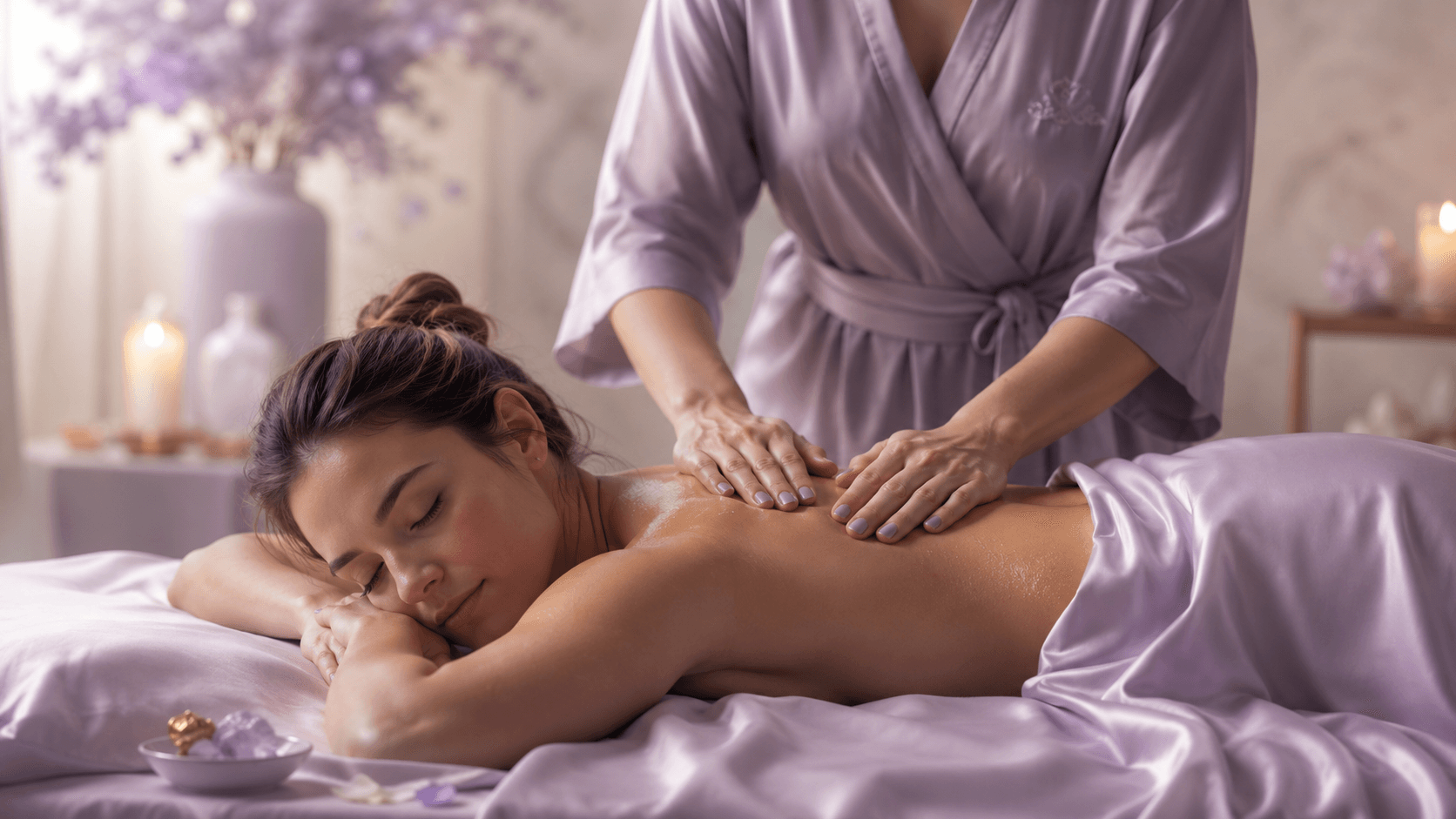
Touch is one of the most powerful signals the human nervous system responds to. When skilled pressure is applied to muscle tissue, it triggers the parasympathetic nervous system, your body's rest-and-repair mode, dropping cortisol levels and flooding the body with serotonin and dopamine. Sustained pressure on soft tissue breaks up adhesions and scar tissue, restores healthy circulation, and encourages the lymphatic system to flush out metabolic waste. This is why people walk off the table feeling genuinely different, relaxed, and completely reset.
What is MASSAGE THERAPY?
Massage therapy is the hands-on manipulation of muscles, tendons, and connective tissue to relieve pain, reduce tension, and restore the body's natural balance. In the United States, licensed massage therapists (LMTs) complete 500 to 1,000 or more hours of accredited training in anatomy, physiology, and pathology before they ever work on a client.
What to Expect
Your first session starts with a brief intake conversation about your goals, any areas of concern, and pressure preferences. You'll undress to your comfort level and lie on a padded table draped with a sheet. A standard session runs 60 to 90 minutes. Afterward it is normal to feel deeply relaxed, slightly drowsy, or occasionally a little tender in areas that needed work. Drink plenty of water and give your body time to integrate the session.
Key Benefits
- ✓Relieves chronic muscle tension and pain
- ✓Reduces cortisol and activates the parasympathetic nervous system
- ✓Improves circulation and lymphatic flow
- ✓Speeds recovery from injury, surgery, and intense physical training
- ✓Reduces anxiety, depression, and emotional stress
- ✓Improves sleep quality and duration
- ✓Increases range of motion and flexibility
- ✓Supports immune function
Conditions It Helps
Specialties
Every massage therapist has their own areas of focus. Here are the most common specialties you will find when browsing therapists on Beyond Massage USA.
Swedish Massage
Swedish Massage
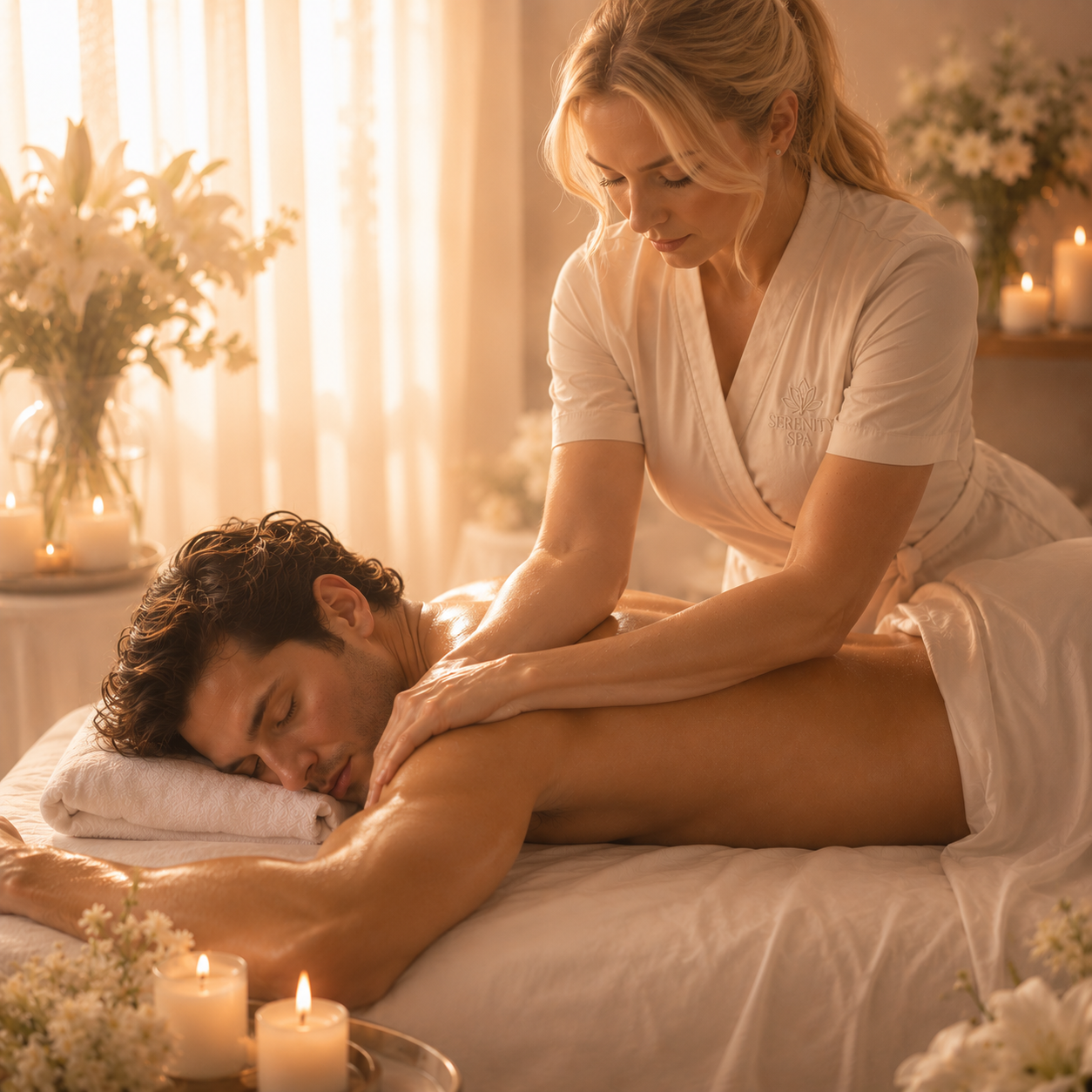
The most widely practiced form of massage therapy. Uses long, flowing strokes, kneading, and circular movements to promote full-body relaxation, improve circulation, and ease muscle tension. Ideal for first-timers or anyone seeking stress relief and gentle restoration.
Deep Tissue Massage
Deep Tissue Massage
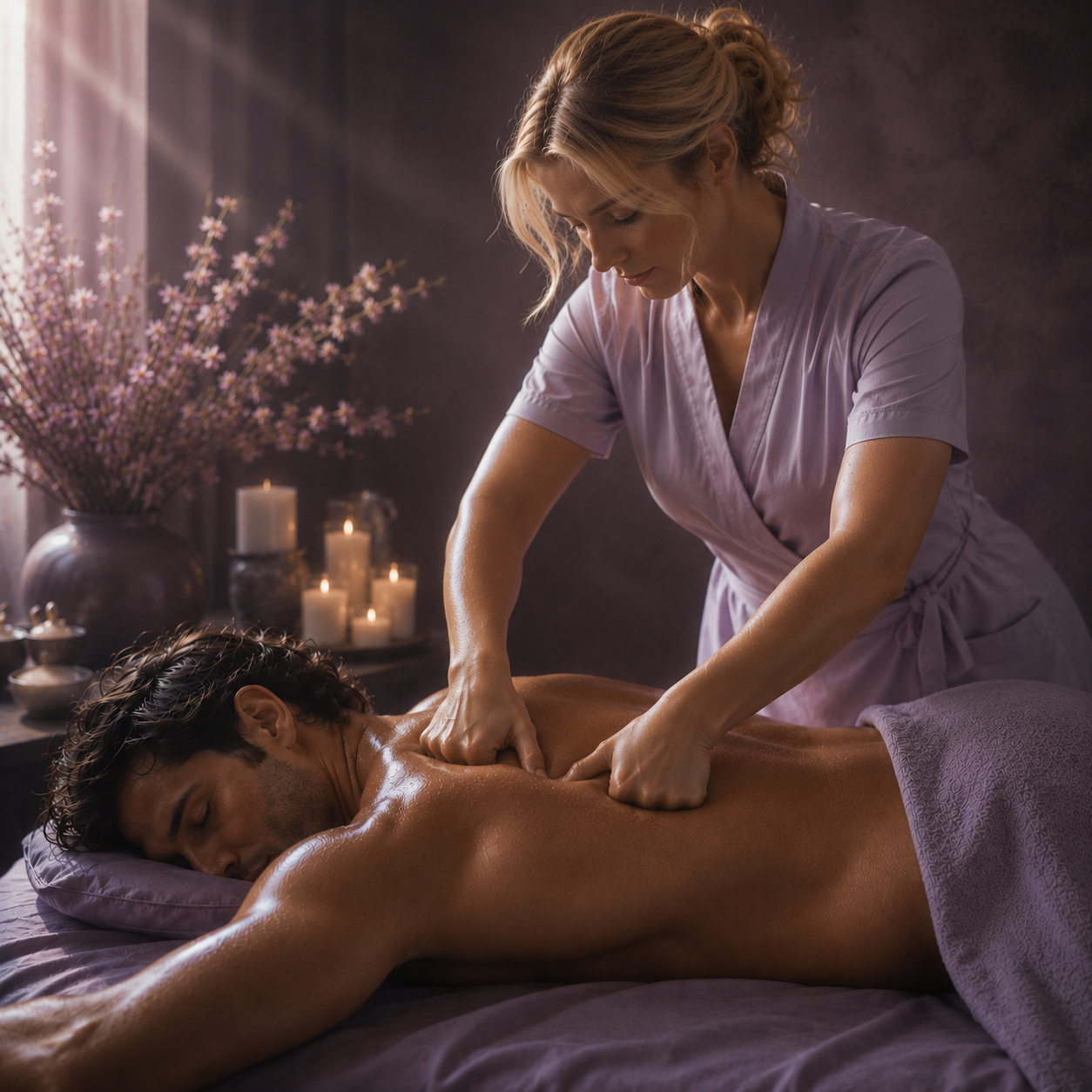
Targets the deeper layers of muscle and connective tissue using slow, firm pressure and deliberate strokes. Highly effective for chronic pain, muscle knots, and postural issues. Expect some intensity and significant relief afterward.
Sports Massage
Sports Massage
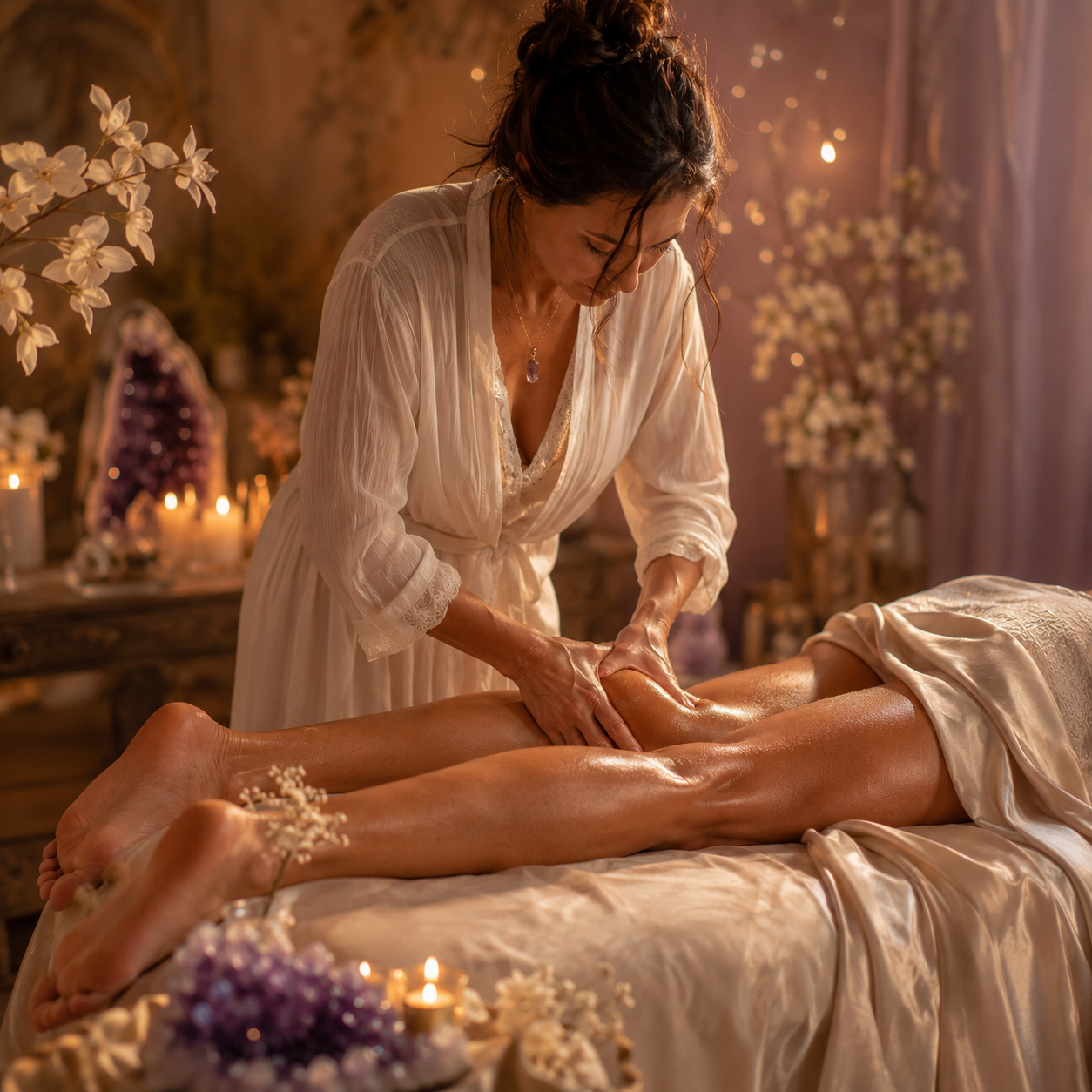
Designed for athletes and active individuals, sports massage focuses on muscles used in specific activities. It can be used before an event to warm up and prep the body, after to speed recovery, or between training sessions to maintain peak performance and prevent injury.
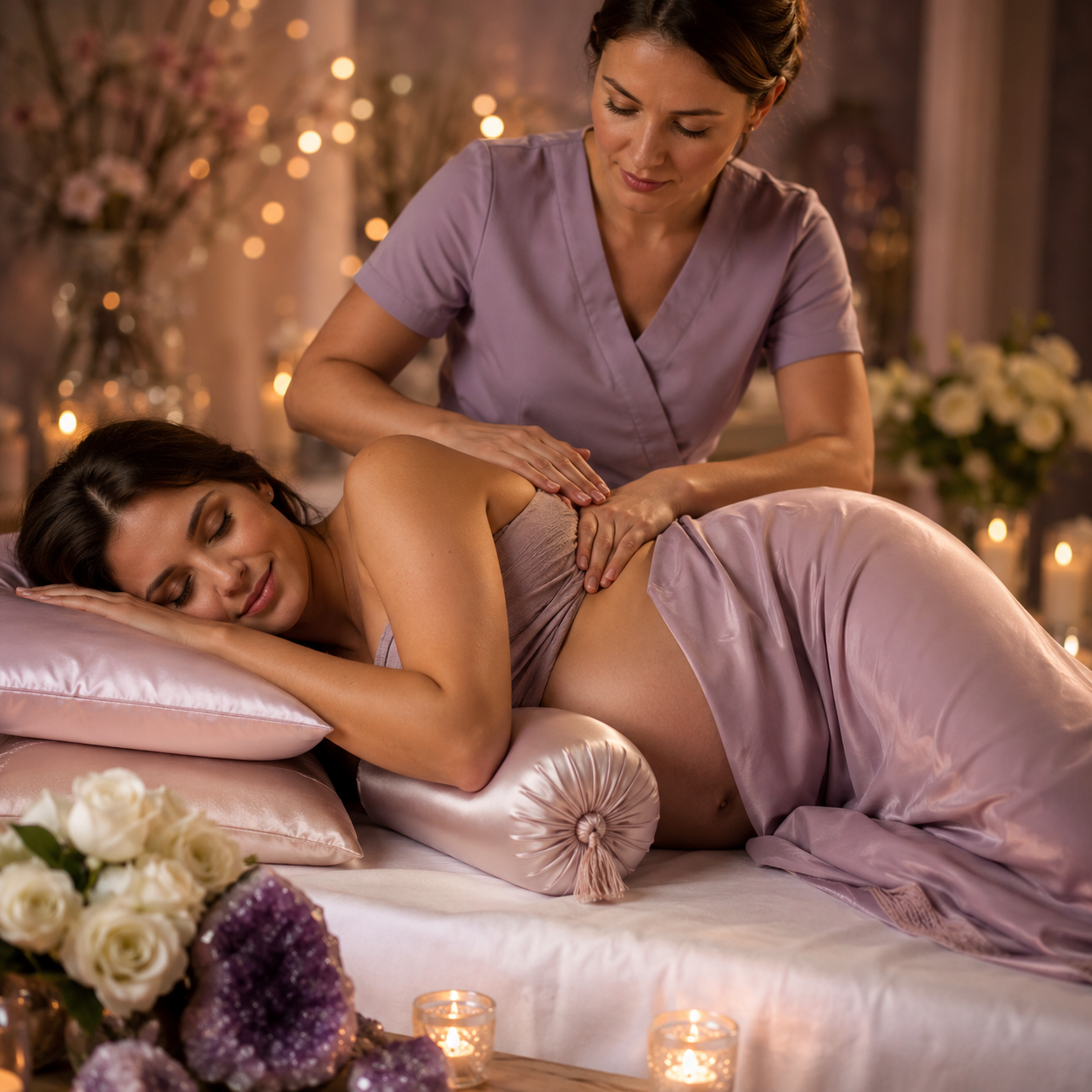
Prenatal / Pregnancy Massage
Prenatal / Pregnancy Massage
A gentle, specially adapted massage for expectant mothers. Performed with supportive positioning to protect both mother and baby, it relieves the physical discomforts of pregnancy including back pain, swelling, hip tension, and fatigue. It also promotes deep relaxation and emotional calm.
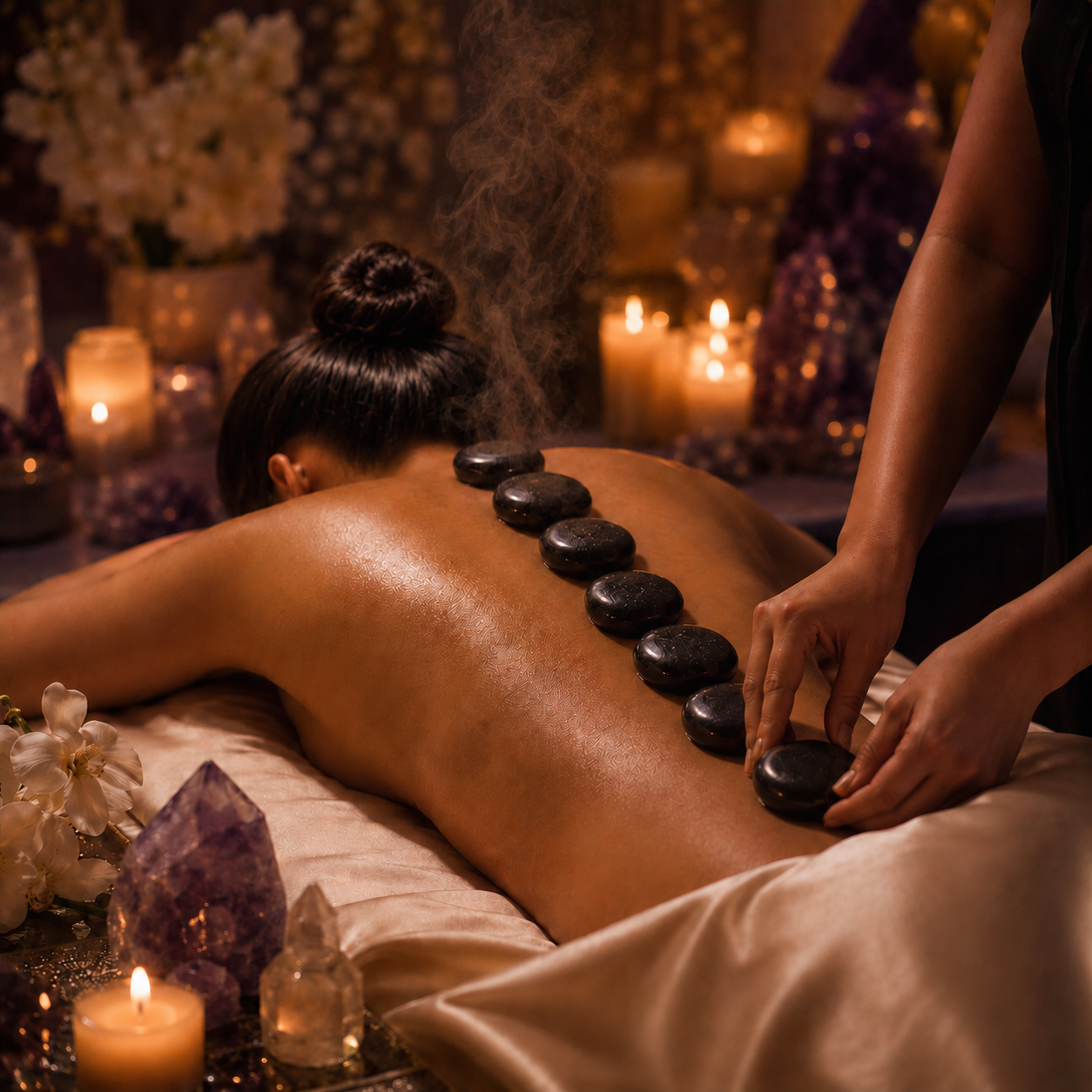
Hot Stone Massage
Hot Stone Massage
Smooth, heated basalt stones are placed on key points of the body and used as an extension of the therapist's hands. The warmth penetrates deep into muscle tissue, melting tension and promoting a profoundly meditative state of relaxation.
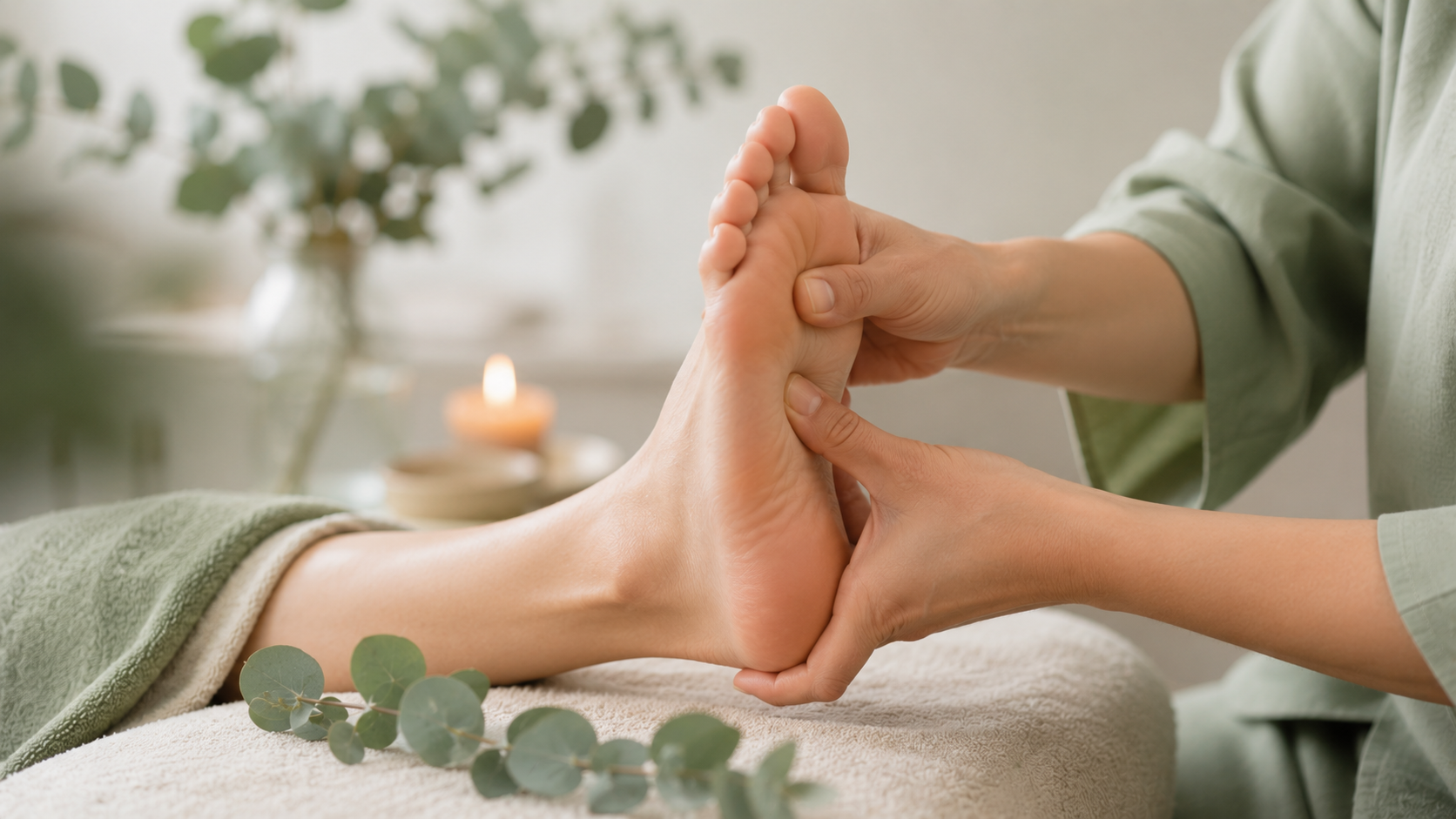
Reflexology
Reflexology
A targeted therapy based on the principle that specific points on the feet, hands, and ears correspond to organs, glands, and systems throughout the body. Applying precise pressure to these reflex points promotes balance, supports organ function, and induces deep relaxation without any clothing removal required.
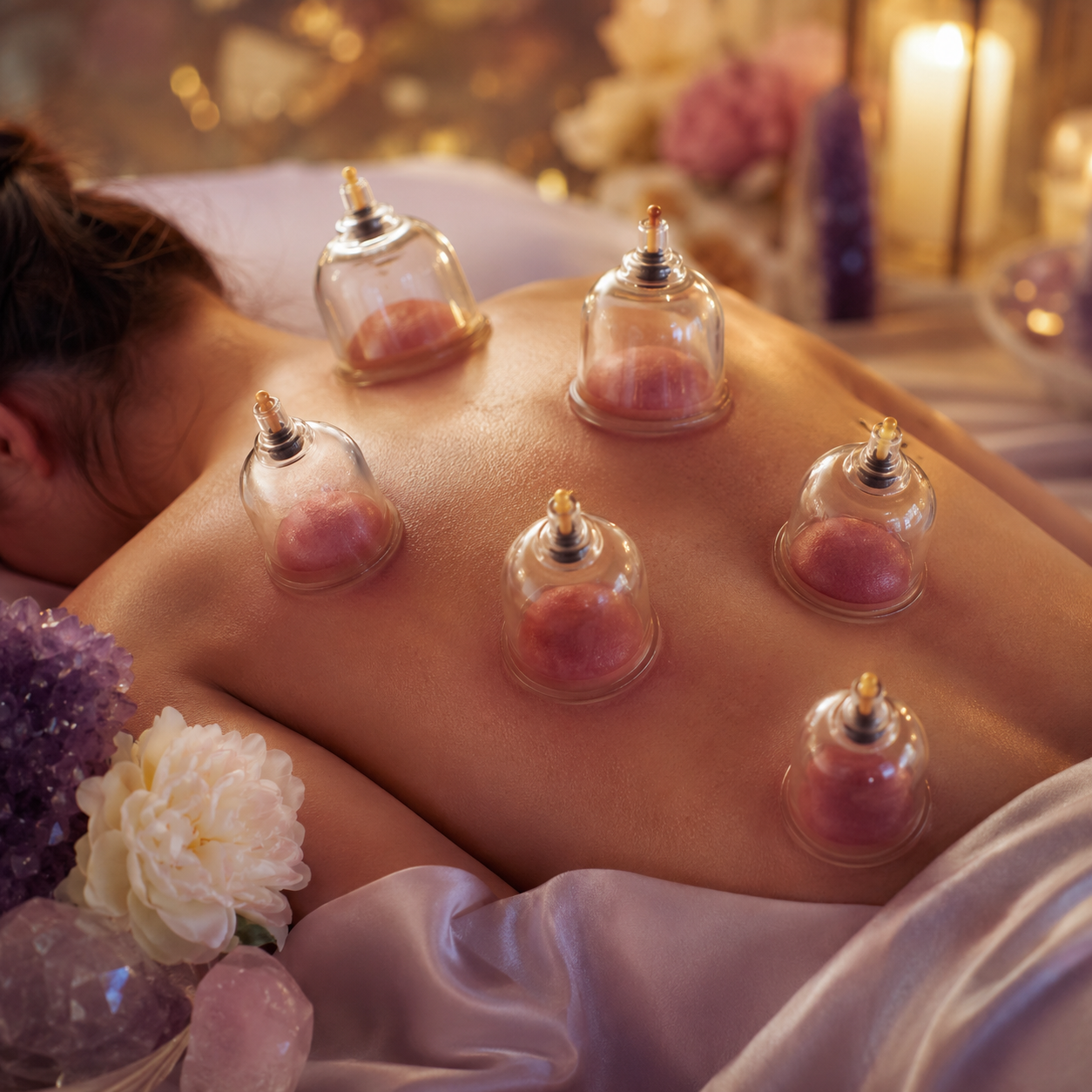
Cupping Therapy
Cupping Therapy
An ancient technique now used by modern therapists and athletes alike. Suction cups are placed on the skin to lift and separate the underlying tissue, increasing blood flow, releasing fascial restrictions, and drawing out stagnation. Effective for tight muscles, respiratory issues, and deep tissue release.
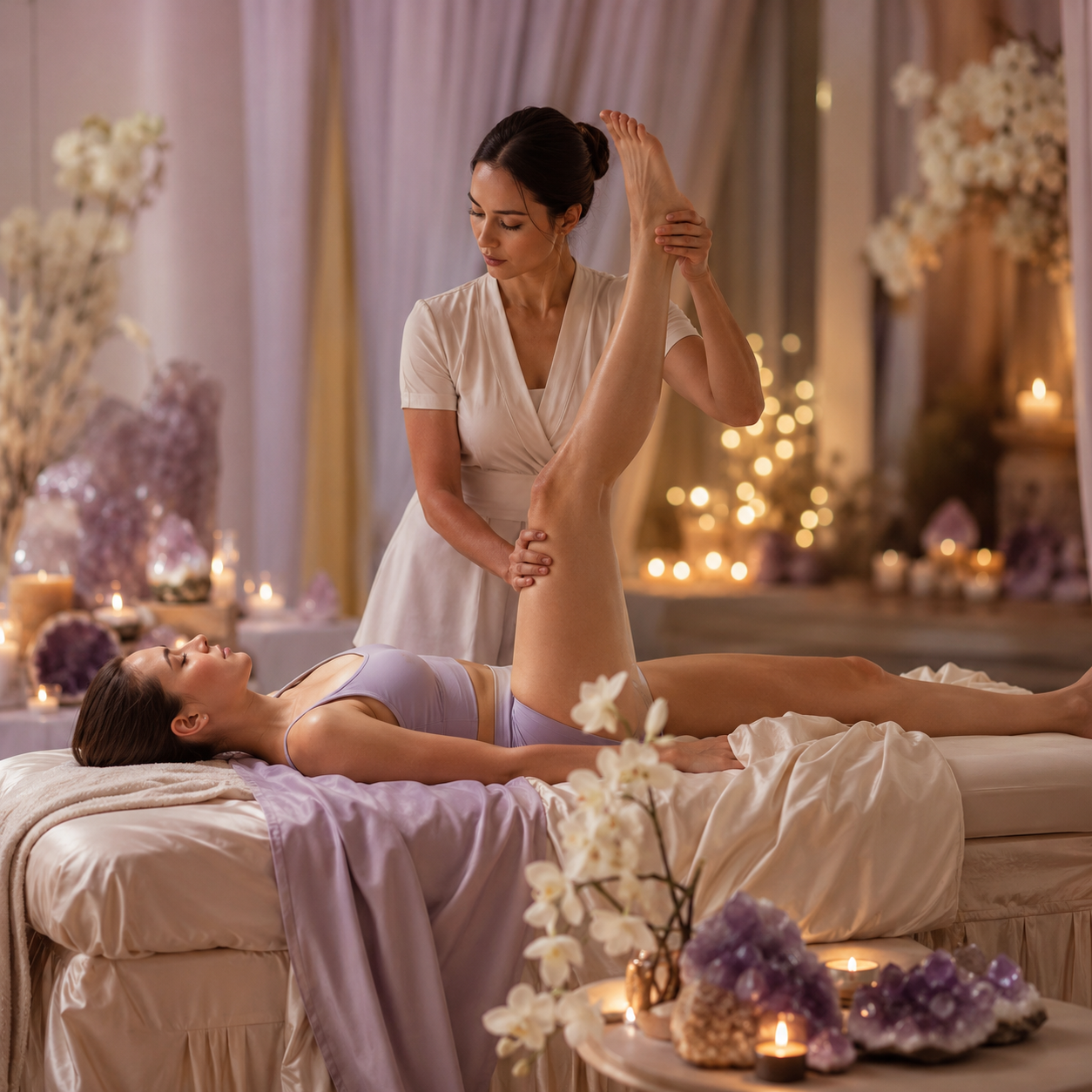
Stretching / Assisted Stretching
Stretching / Assisted Stretching
The therapist guides your body through a series of targeted passive and active stretches, lengthening muscles, opening joints, and restoring range of motion you may not be able to achieve on your own. Particularly beneficial for athletes, desk workers, and anyone experiencing tightness or mobility limitations.
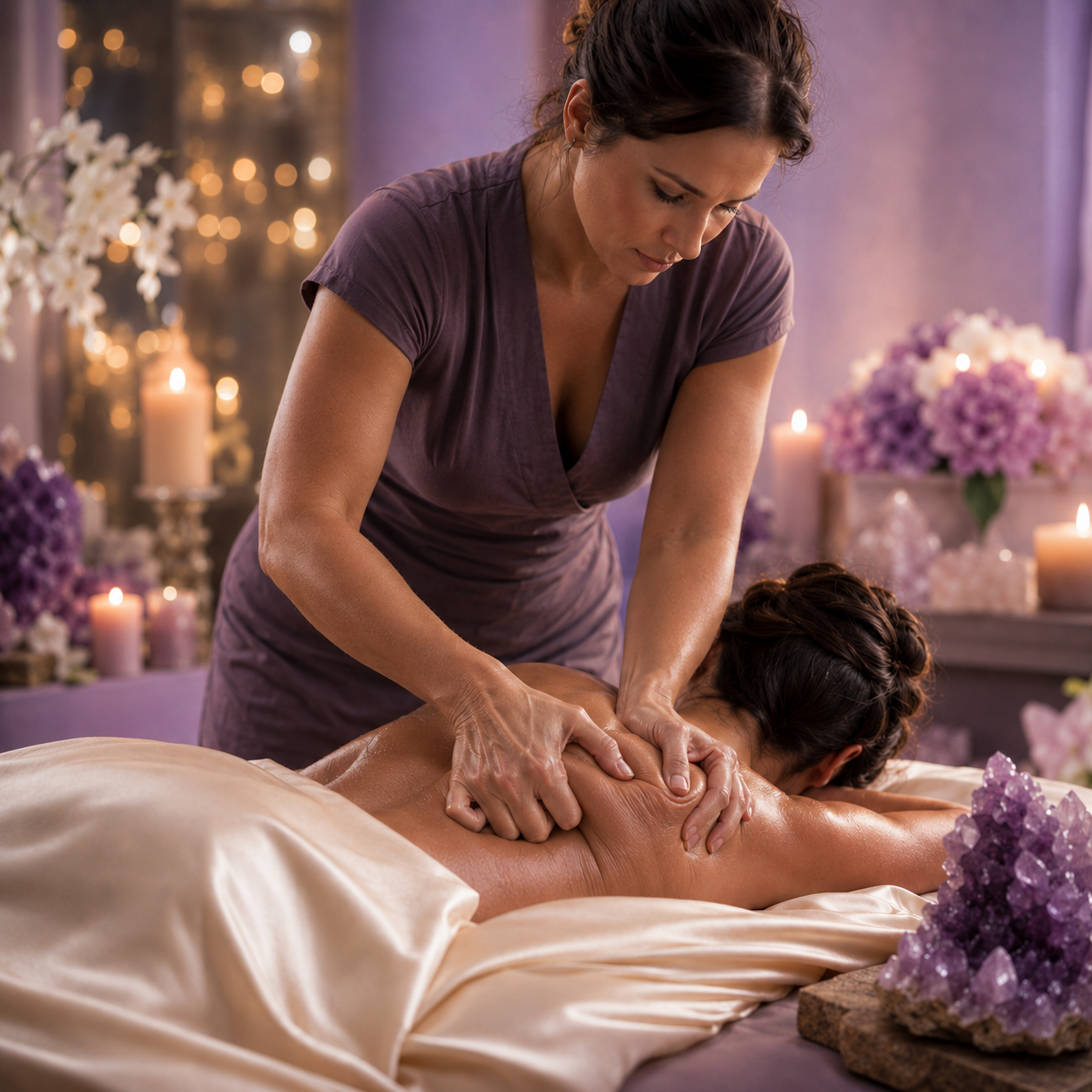
Myofascial Release
Myofascial Release
Fascia is the connective tissue web that surrounds every muscle, organ, and bone in your body. When it becomes tight or restricted from injury, stress, or chronic posture, it can cause widespread pain and dysfunction. Myofascial release uses sustained, gentle pressure to soften and release these restrictions at their source.
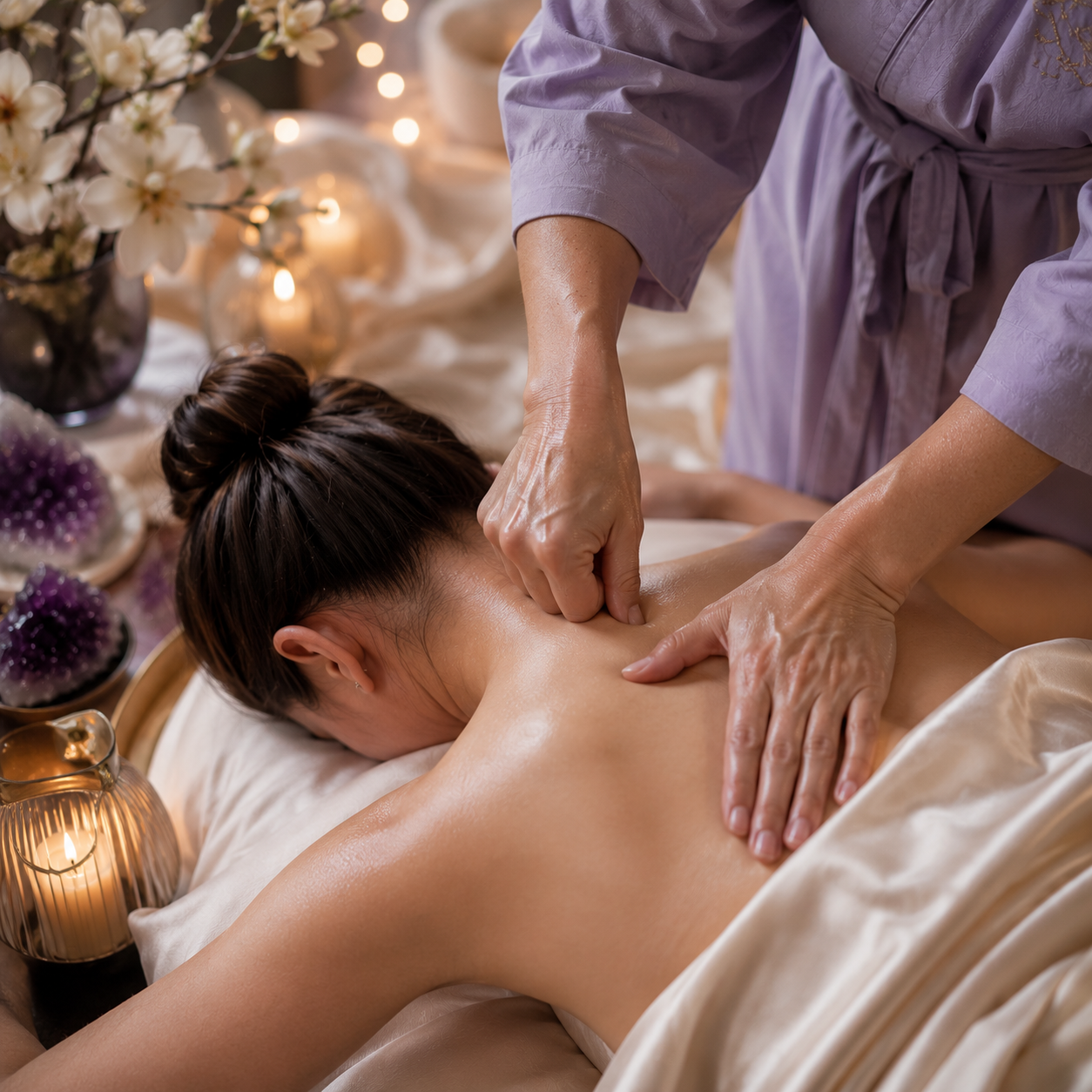
Trigger Point Therapy
Trigger Point Therapy
Trigger points are hyper-irritable knots within a muscle that cause localized pain and often refer pain to distant areas of the body. This targeted technique applies direct, sustained pressure to release these points, providing relief from chronic pain patterns, tension headaches, and muscle dysfunction.
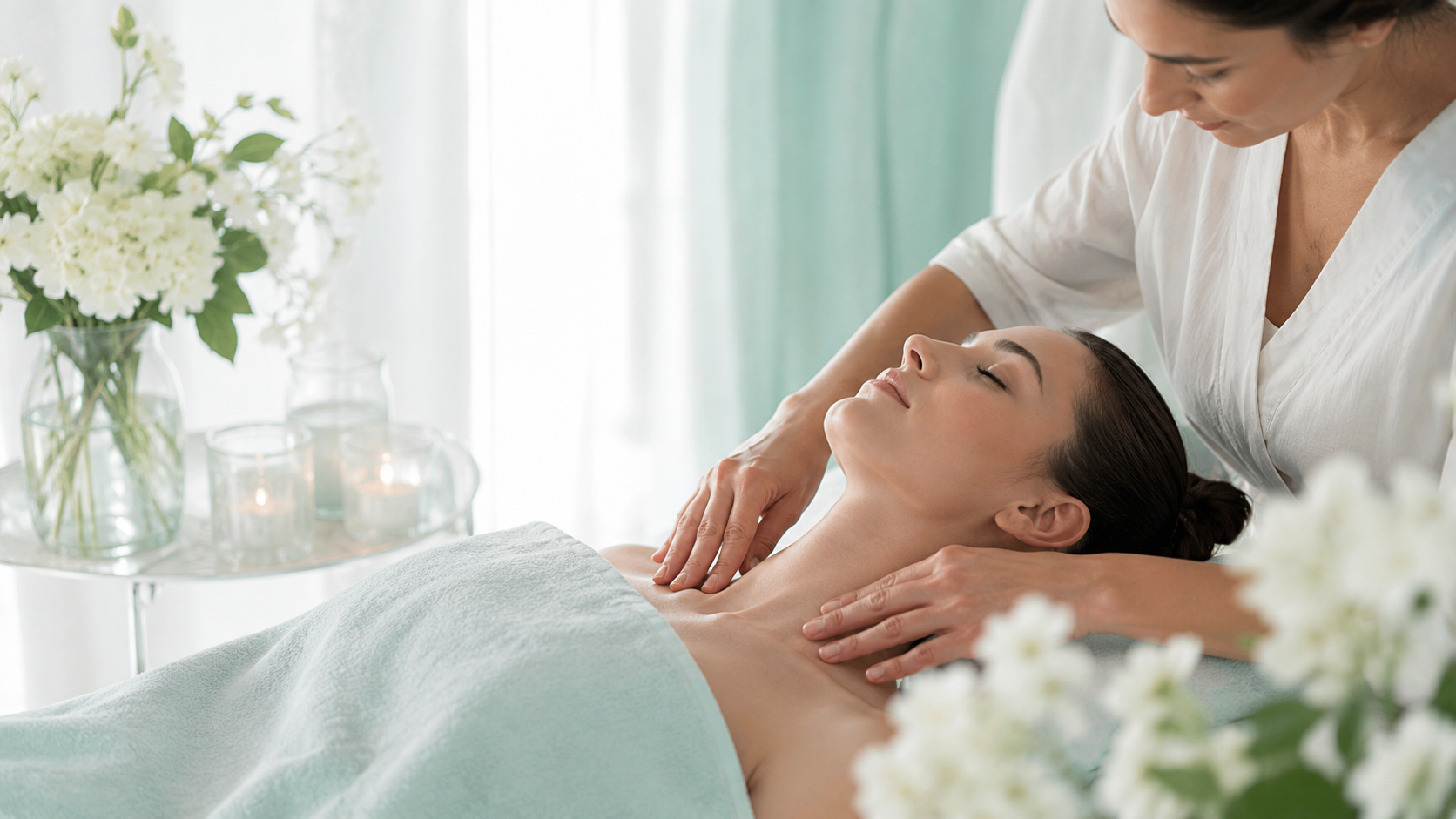
Lymphatic Drainage
Lymphatic Drainage
A very light, rhythmic massage technique that stimulates the lymphatic system to move fluid through the body more efficiently. Used therapeutically for post-surgical swelling, lymphedema, immune support, and detoxification. Also deeply relaxing and increasingly popular for general wellness.
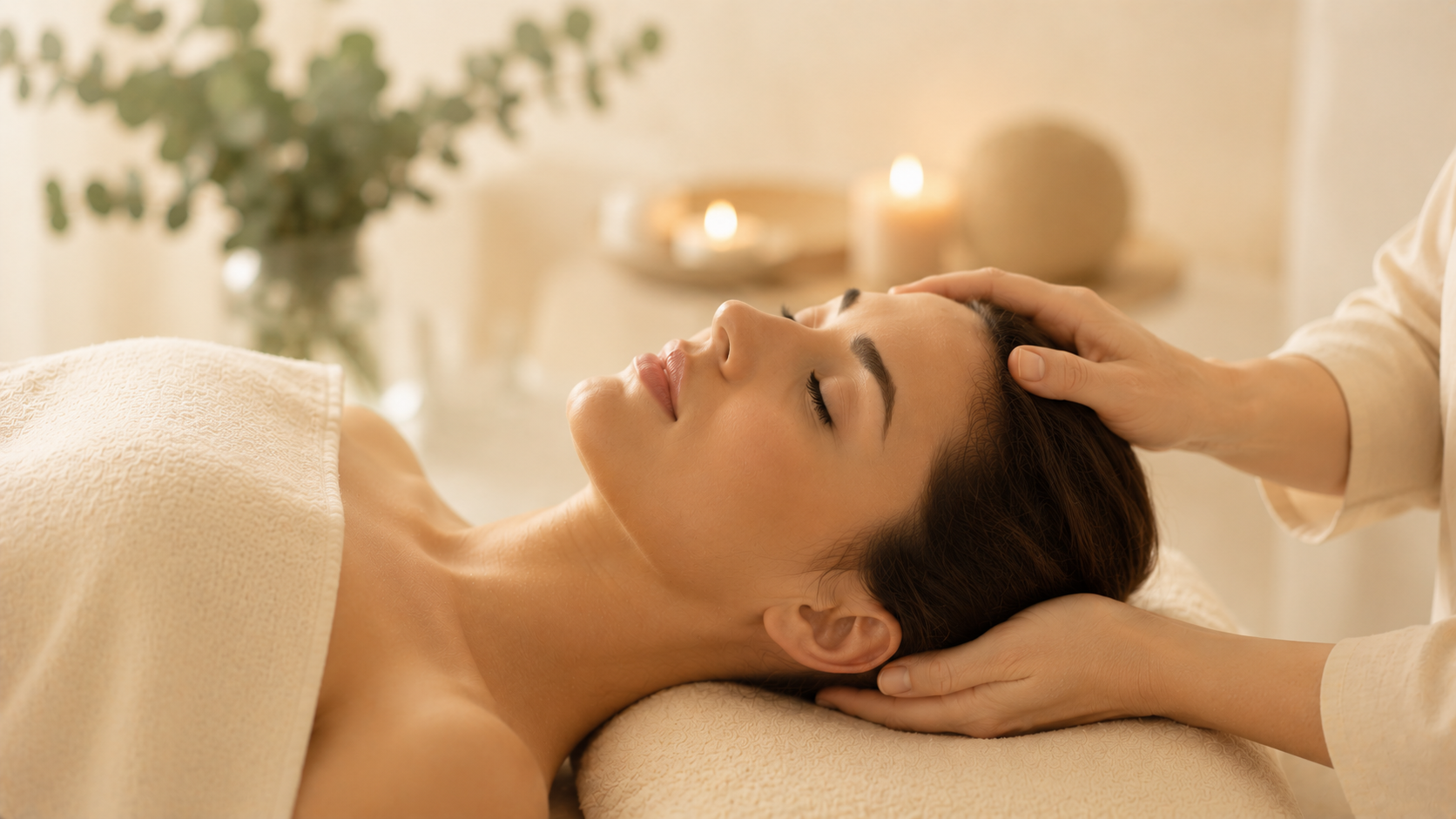
Craniosacral Therapy
Craniosacral Therapy
An extremely gentle, subtle technique in which the therapist uses a light touch to assess and release restrictions in the craniosacral system, which includes the membranes and fluid surrounding the brain and spinal cord. Profoundly effective for migraines, chronic pain, trauma, and nervous system dysregulation.
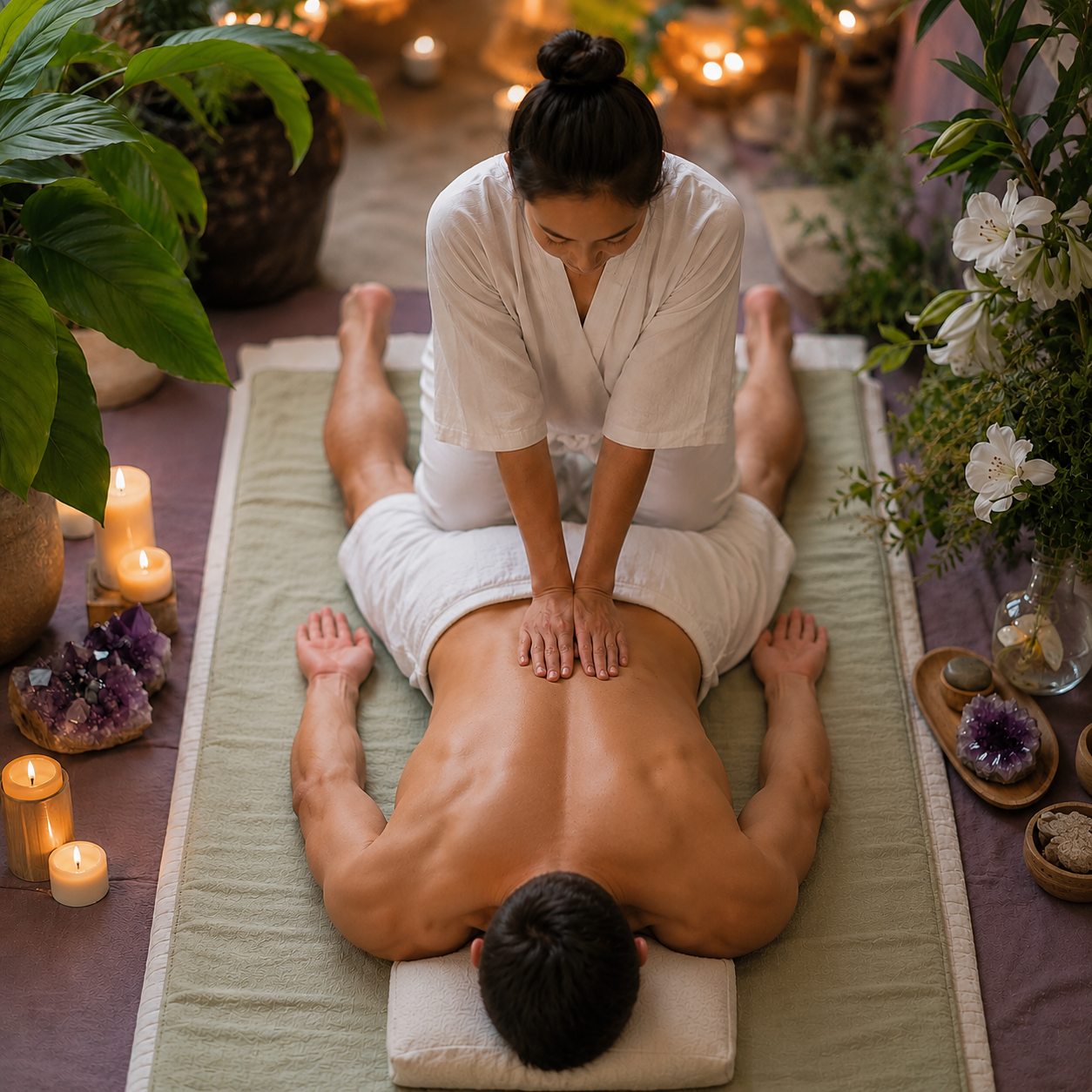
Shiatsu
Shiatsu
A Japanese bodywork tradition that uses rhythmic finger and palm pressure along the body's energy meridians to restore balance and promote the flow of vital energy. Performed fully clothed on a mat or table, Shiatsu is grounding, deeply relaxing, and particularly effective for stress and fatigue.
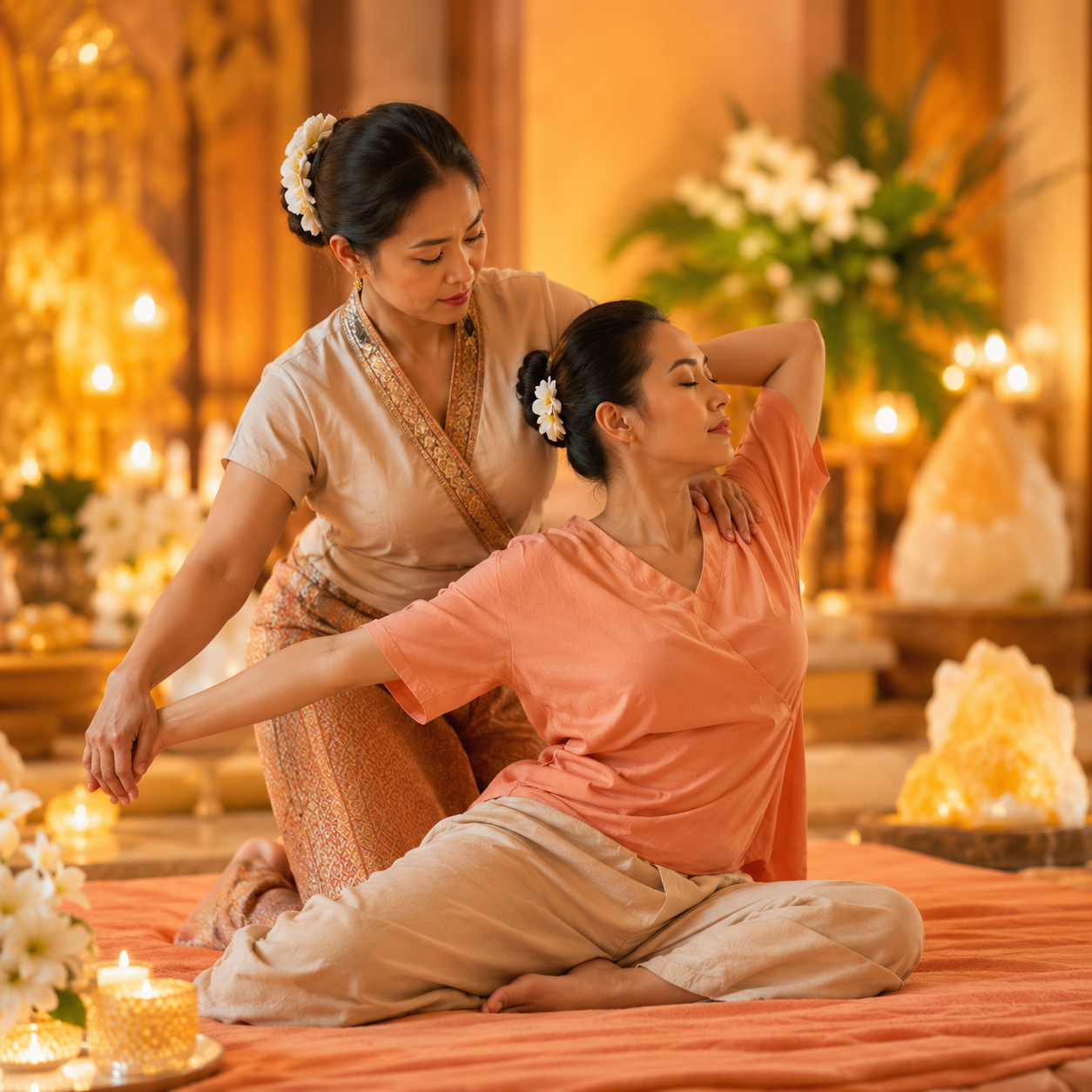
Thai Massage
Thai Massage
Often called 'lazy yoga,' Thai massage combines assisted stretching, rhythmic compression, and energy line work performed fully clothed on a floor mat. The therapist uses their hands, feet, knees, and elbows to guide your body through a flowing sequence of movements that improve flexibility, release tension, and restore energetic balance.
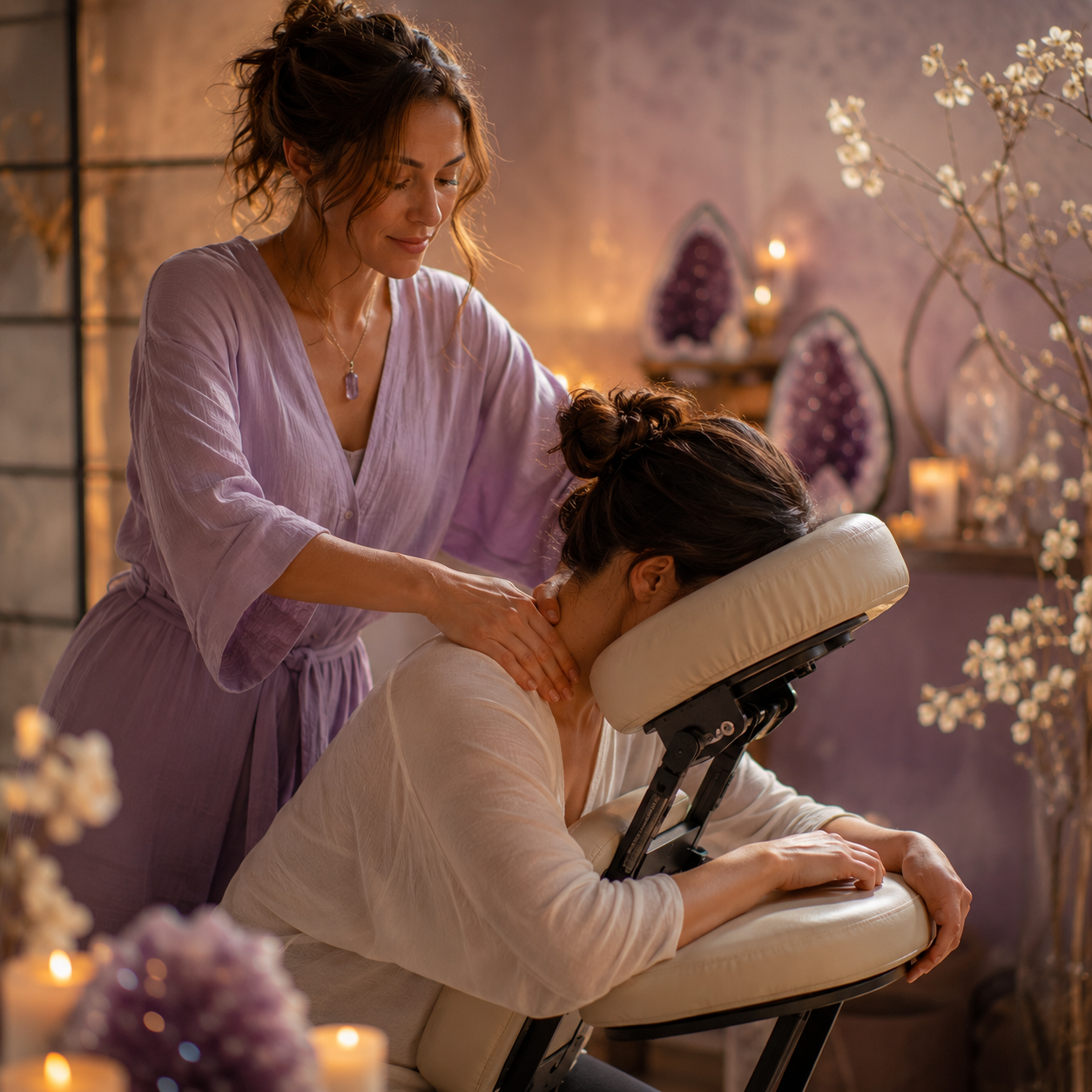
Chair Massage
Chair Massage
A shorter, seated massage performed in a specially designed chair with no undressing required. Focused on the back, neck, shoulders, and arms, chair massage is commonly offered in workplaces, events, and airports. It is a fast, accessible way to relieve tension and stress anywhere, anytime.
Frequently Asked Questions
Preparation & Arrival
What should I do before my appointment?
Hydrate well throughout the day before your session. Eat a light meal one to two hours before rather than a heavy one since lying face down on a full stomach is uncomfortable. Avoid alcohol, tobacco, and caffeine for at least a few hours beforehand. Arrive five minutes early so you have time to fill out your intake form and briefly discuss any areas of concern with your therapist before you get on the table.
What should I wear to my appointment?
Whatever you are comfortable in. You will be changing before the session so it does not matter much, but loose comfortable clothing makes it easier to get on and off the table. Leave jewelry at home if possible.
Do I need to undress completely?
Only to your comfort level. Many clients leave their underwear on and others prefer to remove everything. Both are completely standard. Regardless of what you choose, you will be professionally draped with a sheet at all times and only the specific area being worked on will ever be uncovered. Your therapist is trained in proper draping and your modesty is always protected.
What if I am late?
Let your therapist know as soon as possible. Most therapists cannot extend your session if you arrive late since they have clients after you. Arriving even five minutes early is always better than arriving on time.
During the Massage
Will it hurt?
Massage should be comfortable and relaxing. Working through tight areas or knots may produce a mild aching sensation that most people describe as a good hurt, but it should never be sharp or unbearable. If the pressure is ever too intense tell your therapist immediately. They will not be offended and adjusting pressure is a completely normal part of the session.
Am I expected to talk during the session?
Not at all. Many people prefer complete silence so they can fully relax and some fall asleep. You are not obligated to maintain conversation. That said, always speak up if you are too hot, too cold, if the pressure needs adjustment, or if something does not feel right.
What if I fall asleep?
It is one of the best compliments you can give your therapist. Falling asleep during a massage means your nervous system has fully let go and that is exactly the goal. Snoring, twitching, or other involuntary relaxation responses are completely normal.
What if I have an involuntary bodily reaction?
It happens and therapists are completely unfazed by it. Deep relaxation affects the entire body including the digestive system. Passing gas during a session is natural and no one will think anything of it.
What if I get emotional during the session?
Also completely normal. The body stores tension and emotion in muscle tissue and massage can release both simultaneously. If you feel the urge to cry or feel a wave of emotion, let it move through you. Your therapist has seen it before and it is a sign the work is going deep.
Aftercare & Results
Is it normal to feel sore afterward?
Yes, especially after deep tissue or sports massage. The sensation is similar to muscle soreness after a good workout and typically fades within 24 to 48 hours. Drinking plenty of water and taking a warm bath with Epsom salts can help speed recovery.
Why is drinking water after a massage so important?
Massage releases metabolic waste and byproducts that have been held in muscle tissue into your bloodstream. Drinking extra water in the hours after your session helps your body flush these out efficiently and reduces the likelihood of soreness or headache.
How soon will I feel the benefits?
Many people feel immediate relief from tension and pain. The full effects often continue to develop over the following 24 to 48 hours as your nervous system integrates the work. For chronic conditions the benefits tend to build cumulatively over a series of sessions.
How often should I get a massage?
For general stress management and wellness, once a month is a great starting point. For chronic pain, injury recovery, or high physical demand from sport or training, weekly or biweekly sessions are often recommended until the issue resolves and then monthly to maintain results.
Is massage covered by insurance?
Some health insurance plans cover massage therapy when prescribed by a physician for a specific condition. HSA and FSA accounts can typically be used for massage therapy regardless of insurance coverage. It is worth checking with your provider and asking your therapist if they provide medical receipts.
Etiquette & Safety
Should I tip my massage therapist?
Tipping is customary in spa and franchise settings and typically runs 15 to 20 percent. In a private practice or medical setting tipping is less expected but always appreciated. If you are unsure, it is never wrong to ask the front desk what is standard at that particular practice.
Is tipping expected for a private massage therapist?
Less so than in a spa setting. Many independent therapists set their rates to reflect the full value of their work. A kind review, a referral, or a simple thank you goes a long way with someone running their own practice.
When should I avoid getting a massage?
Reschedule if you are sick or have a fever. Massage increases circulation which can spread illness and worsen some symptoms. Also avoid massage if you have an acute injury, open wounds, or active skin infections in the area to be worked. Always disclose medical conditions including pregnancy, blood clots, recent surgery, cancer, and skin conditions on your intake form.
What medical conditions should I disclose before my session?
Let your therapist know about any of the following: pregnancy, recent surgery, cancer or active cancer treatment, blood clotting disorders, osteoporosis, diabetes, kidney or liver disease, skin conditions or infections, and any areas of acute pain or recent injury. This allows them to modify their approach and ensure the session is safe and beneficial for your specific situation.
Is massage therapy regulated?
Yes. In most US states massage therapists are required to hold a state license which involves completing an accredited education program, passing a national board exam (the MBLEx), and completing ongoing continuing education. Always verify your therapist is licensed in your state.