Healing Modality
Energy Healing & Biofield Therapies
Ancient and modern practices that work with your body's energy field to restore balance, release blockages, and promote deep healing.
Why It Works
Every living system generates and responds to energy. The human body produces measurable bioelectric and electromagnetic fields that extend beyond the skin, and emerging research in biofield science suggests these fields carry real information about our physical and emotional state. When this field becomes disrupted through stress, trauma, illness, or unresolved emotion, the effects ripple through the physical body in ways that conventional medicine often cannot fully address. This is why people who have tried everything else walk out of an energy healing session feeling something shift that they cannot quite explain but cannot deny.
What is ENERGY HEALING & BIOFIELD THERAPIES?
Energy healing is an umbrella term for a wide family of complementary practices rooted in the understanding that the human body is not just physical but also energetic. These practices include traditions from Traditional Chinese Medicine, Ayurveda, Japanese healing arts, and modern biofield therapies, all sharing the principle that health requires balanced, unobstructed energy flow throughout the body. In the United States many energy healing practitioners work within integrative medicine programs at major hospitals and cancer centers.
What to Expect
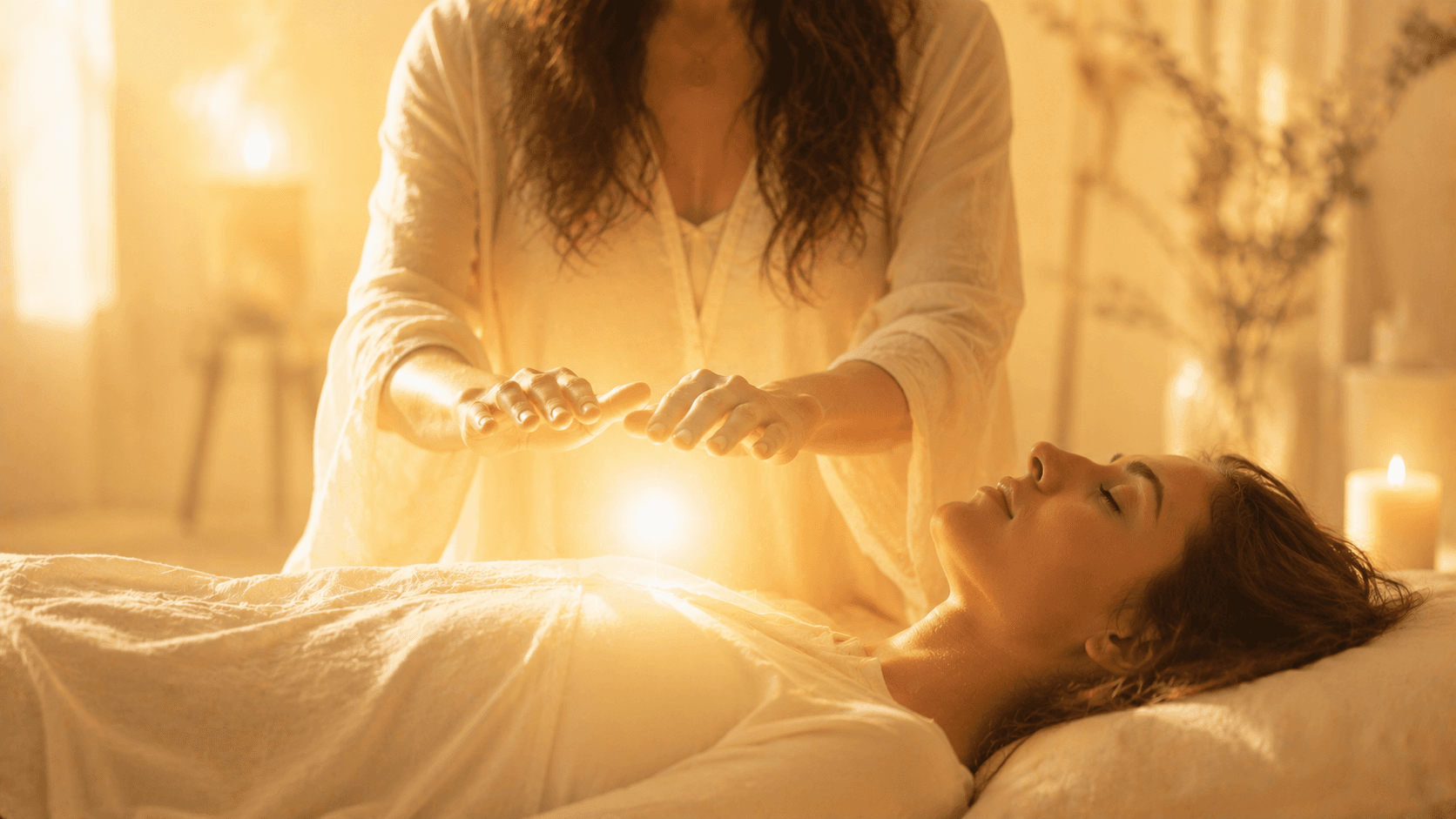
Every energy healing modality has its own session format, but most share common elements. You will typically remain fully clothed and lie or sit comfortably while the practitioner works with your energy field through light touch or hands hovering above the body. Sessions are deeply relaxing and non-invasive. You may feel warmth, tingling, emotional waves, or profound stillness. Sessions typically run 45 to 90 minutes depending on the modality. Come hydrated, avoid alcohol beforehand, and give yourself a gentle evening afterward to integrate.
Key Benefits
- ✓Reduces chronic stress and activates the parasympathetic nervous system
- ✓Clears energetic blockages and stagnation in the biofield
- ✓Facilitates emotional release and processing of held trauma
- ✓Supports the body's natural healing and recovery processes
- ✓Improves sleep quality and overall energy levels
- ✓Complements conventional medical treatment without interference
- ✓Enhances spiritual awareness and sense of inner clarity
- ✓Reduces anxiety, depression, and emotional overwhelm
Conditions It Helps
Specialties
Every massage therapist has their own areas of focus. Here are the most common specialties you will find when browsing therapists on Beyond Massage USA.
Reiki
Reiki
A Japanese energy healing technique developed by Mikao Usui in the 1920s. Practitioners channel universal life energy through gentle hand placements on or just above the body, activating the parasympathetic nervous system and supporting deep healing. Widely used in hospitals and palliative care settings worldwide. Beyond Massage USA has a full dedicated page for Reiki with complete FAQs and specialist listings.
Acupressure
Acupressure
An ancient Chinese healing practice that applies firm finger and thumb pressure to the same meridian points used in acupuncture, without needles. By stimulating these points the practitioner encourages the flow of qi, reduces pain, and promotes healing throughout the corresponding body systems. Effective for headaches, nausea, back pain, anxiety, and digestive issues.
Qigong
Qigong
A Chinese mind-body practice combining slow intentional movement, controlled breathing, and meditation to cultivate and balance the body's vital energy (qi). Practiced both as a self-healing daily routine and as a guided therapeutic session with a trained practitioner. Research supports its use for stress reduction, immune function, chronic pain, and cardiovascular health.
Healing Touch
Healing Touch
A structured energy therapy developed within the nursing profession that uses intentional hand placements to support and rebalance the human energy system. Widely used in hospitals, cancer centers, and hospice settings. Healing Touch practitioners complete a formal certification program and many work as part of integrative medicine teams alongside conventional healthcare providers.
Therapeutic Touch
Therapeutic Touch
Developed in the 1970s by nurse Dolores Krieger and healer Dora Kunz, Therapeutic Touch involves the practitioner assessing and rebalancing the client's energy field through intentional hand movements near and around the body. One of the most researched energy healing modalities with studies documenting its effects on anxiety, pain, and wound healing.
Pranic Healing
Pranic Healing
A no-touch energy healing system developed by Grandmaster Choa Kok Sui that works by cleansing depleted or congested energy from the body's energy field and then energizing it with fresh prana (life force). Sessions are conducted entirely without physical contact. Particularly effective for physical ailments, emotional imbalances, and stress-related conditions.
Crystal Healing
Crystal Healing
A practice that uses the vibrational properties of crystals and gemstones placed on or around the body to influence the energy field and promote healing. Different crystals are selected for their specific energetic properties and placed at key points corresponding to energy centers or areas of concern. Sessions are deeply relaxing and often combined with other energy healing modalities.
EFT / Tapping
EFT / Tapping
Emotional Freedom Technique (EFT), commonly called tapping, combines elements of cognitive therapy with acupressure by having the client tap on specific meridian points while verbally addressing emotional issues, fears, or physical symptoms. Research supports its effectiveness for anxiety, PTSD, phobias, chronic pain, and performance issues. Can be learned as a self-help tool or practiced with a certified EFT practitioner.
Ayurveda
Ayurveda
One of the world's oldest holistic healing systems, originating in India over 5,000 years ago. Ayurveda views health as a balance between three fundamental energies or doshas (Vata, Pitta, Kapha) that govern all physical and mental functions. Ayurvedic practitioners design personalized protocols involving diet, herbal medicine, massage (Abhyanga), breathwork, meditation, and lifestyle practices to restore balance and prevent disease.
Sound Healing
Sound Healing
A therapeutic practice using acoustic vibrations from instruments including Tibetan and crystal singing bowls, gongs, tuning forks, and the human voice to shift brainwave states and promote healing at the cellular level. Research documents measurable reductions in anxiety, pain, blood pressure, and cortisol following sound healing sessions. Beyond Massage USA has a full dedicated page for Sound Healing with complete FAQs and specialist listings.
Ecstatic Dance
Ecstatic Dance
A free-form movement practice that uses music, breath, and uninhibited dance to release stored emotional and physical tension, access altered states of consciousness, and restore energetic vitality. Unlike choreographed dance, ecstatic dance has no right or wrong moves. Participants follow the body's impulses guided by a carefully curated musical journey. Increasingly recognized as a powerful somatic healing tool for trauma, grief, anxiety, and disconnection.
Frequently Asked Questions
Preparation & Arrival
Do I need to believe in energy healing for it to work?
No. Clinical studies conducted with skeptical and uninformed patients have still demonstrated measurable benefits from energy healing practices. An open and receptive attitude helps but firm belief is not required.
How do I choose which energy healing modality is right for me?
Start with what resonates intuitively. If you are drawn to movement, Qigong or Ecstatic Dance may suit you. If you prefer stillness and hands-on work, Reiki or Healing Touch might be your entry point. If you want a comprehensive lifestyle system, Ayurveda offers the deepest integration. Many people try several modalities before finding their primary practice.
What should I wear and how should I prepare?
Wear comfortable loose clothing for all energy healing modalities since you remain fully clothed throughout most sessions. Avoid alcohol for several hours beforehand. Come hydrated and with a relatively clear schedule afterward so you can rest and integrate rather than rushing back into a demanding day.
During the Session
What might I feel during a session?
Experiences vary widely across modalities and individuals. Common sensations include warmth, tingling, pulsing, emotional waves, a sense of lightness, or vivid imagery. Some people feel very little during the session but notice significant changes in sleep, mood, or pain levels in the days that follow. There is no wrong way to experience energy healing.
What if I feel emotional?
Emotional releases are welcomed and common across all energy healing modalities. These practices often access held feelings that have not had a chance to move. If tears, laughter, or strong emotions arise, allow them. Your practitioner is trained to hold space for whatever comes up.
Can I combine multiple energy healing modalities?
Absolutely. Many people have a primary practice like Reiki or Qigong and supplement with sound healing, EFT, or Ayurvedic lifestyle practices. Energy healing modalities are generally complementary to each other and to conventional medical care.
Aftercare & Results
How will I feel after my session?
Most people feel lighter, calmer, and more present. Some feel an initial tiredness as the body integrates the shifts. Give yourself a gentle evening, drink plenty of water, and journal if you feel moved to capture any insights that arose.
How many sessions do I need?
For acute stress or specific emotional processing, even a single session can produce significant relief. For deeper or chronic patterns, a series of sessions spaced one to two weeks apart allows changes to build and integrate more fully. Practices like Qigong and Ayurveda are most effective when incorporated as ongoing lifestyle practices rather than one-off sessions.
Etiquette & Safety
Is energy healing safe alongside conventional medical treatment?
Yes. All energy healing modalities are designed to complement rather than replace conventional care. Many are used within integrative medicine programs at major hospitals. Always keep your medical team informed of all complementary therapies you are using.
How do I find a qualified practitioner?
Credentials vary by modality. Reiki practitioners should hold at least Level 2 certification from a qualified Reiki Master. Healing Touch and Therapeutic Touch practitioners have formal certification programs. Ayurvedic practitioners ideally hold credentials from an accredited school. EFT practitioners should be certified through ACEP or EFT International. Always ask about training, experience, and any specializations relevant to your needs.